Drainage Systems That Handle Ponding Water
Flat Roofing in The Tri-Cities for commercial buildings and large structures where drainage failures cause interior leaks
Water pooling on flat commercial roofs after rainstorms indicates inadequate slope to drainage points, a problem that worsens as roofing membranes age and substrate materials compress unevenly under equipment loads. RCP Construction installs and repairs flat roofing systems throughout The Tri-Cities, addressing the drainage and sealing challenges that cause most commercial roof failures. A properly installed flat roof isn't actually flat—it maintains minimum slope requirements that move water toward scuppers and drains before the weight of standing water stresses seams and penetrations.
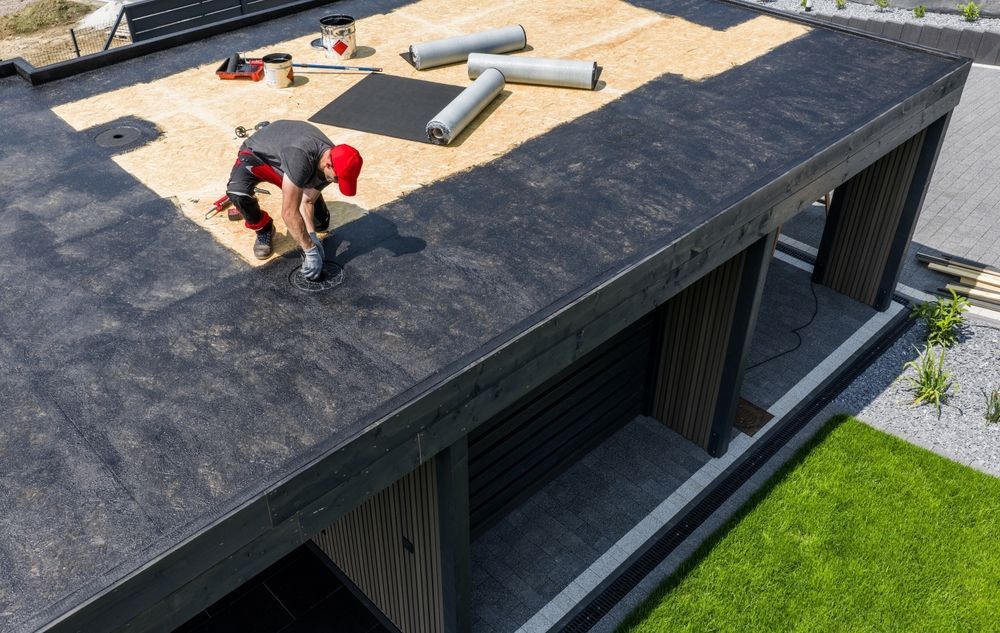
Flat roofing installations involve preparing the roof deck with appropriate insulation layers, establishing drainage slopes using tapered insulation or structural design, installing waterproof membrane systems that are heat-welded or adhered at seams, and sealing all penetrations where pipes, vents, and HVAC equipment pass through the roofing assembly. The system must handle thermal expansion and contraction cycles that occur with Tennessee's temperature swings while maintaining watertight integrity at every termination point where roofing meets vertical surfaces.
Schedule a roof inspection to identify drainage deficiencies and membrane condition before minor issues become interior water damage.
What Flat Roofing Actually Accomplishes
Commercial flat roofing systems create a continuous waterproof barrier across large spans where traditional sloped roofing isn't practical or economical. The membrane layer sheds water toward designed drainage points, insulation beneath the membrane controls heat transfer and supports the waterproofing above it, and proper sealing at roof edges and penetrations prevents wind-driven rain from entering the building envelope. Durability depends on selecting membrane materials appropriate for the building's use—roofs with heavy foot traffic from maintenance crews require different specifications than roofs accessed only for occasional equipment service.
After installation, you'll notice that roof drains evacuate water quickly during storms rather than allowing ponding, interior ceilings remain dry during and after rain events, and HVAC equipment sitting on the roof is properly mounted on curbs that maintain the waterproof membrane integrity. The roofing system performs without requiring constant maintenance because it was designed with adequate drainage from the beginning and installed with attention to detail at every seam and termination.
Long-term performance requires periodic inspections that identify small problems before they become leaks, clearing debris from drains so water doesn't back up across the roof surface, and addressing punctures or tears promptly while they're still localized issues. Flat roofs that receive this attention typically reach their expected service life, while neglected systems fail prematurely from problems that started small and spread across the membrane.
Answers to Frequent Service Questions
Commercial building owners often need guidance about when flat roofs require replacement versus repair and what factors affect system longevity.
What causes flat roofs to fail before their expected lifespan?
Inadequate drainage that allows ponding water to stress seams, poor installation where membrane seams weren't properly welded or sealed, punctures from roof traffic or falling debris that go unrepaired, and thermal cycling that degrades materials faster when insulation values are inadequate for the climate.
How do you determine whether a flat roof needs replacement or can be repaired?
Replacement becomes necessary when more than thirty percent of the membrane shows deterioration, when multiple leaks indicate systemic failure rather than isolated damage, or when the underlying insulation is saturated and has lost its thermal performance and structural support capability.
What's included in flat roofing installations for commercial buildings in The Tri-Cities?
Complete installations include roof deck preparation and repairs, tapered insulation to create positive drainage, membrane installation with properly sealed seams, flashing at all roof edges and penetrations, and integration with existing drainage systems including scuppers and interior drains.
How does climate affect flat roofing material selection?
Temperature extremes require membranes that remain flexible during winter freezes and resist degradation during summer heat, UV exposure in Tennessee breaks down certain membrane types faster than others, and thermal cycling between day and night temperatures creates expansion and contraction stresses that quality seam work must accommodate.
When should building owners schedule roof inspections?
Inspections after severe storms identify new damage before it spreads, annual inspections before winter catch problems while repair conditions are favorable, and inspections after any roof work verify that contractors properly restored waterproofing around their work areas.
RCP Construction has installed flat roofing systems on commercial buildings throughout the region, managing the drainage design and sealing details that determine whether these roofs perform reliably for decades. Contact us for a service quote that addresses your specific roof size, drainage conditions, and performance requirements.